TGF Materials List
Below is a list of tools and materials needed for the TGF project. They must be available for use by the second class meeting.
There are no books required for this class, though some useful books may be suggested on occasion.
I do not have links to, or endorse specific vendors or products. It is a valuable lesson to know that many competing products serve the necessary function equally well. Also, it is important to learn how to assess high and low quality through your own observations. I want you to find items on your own. I generally endorse local over online, in support of our community.
In the classroom we typically supply paper, which comes out of materials fees.
We typically use Vellum Bristol when available. Lately we have had to use other papers, which have different properties. It is 80lb, nicely workable paper in packages of 250 sheets. An equivalent is made by International Paper. It is called "Springhill Vellum Bristol Cover", which is also white, 11x17, 80lb, in a package of 250 sheets. The only difference I could find is that Neenah's paper has a brightness of 94, and International's is 92. They are very similar. I am listing both of these as options but you can also find small pads of Bristol with a different surface finish, dimension, and weight at art supply and office supply stores locally.
You can choose the dimension, color tone, weight and texture of your paper as long as it:
- accommodates the size of the patterns you create
- creases cleanly
- holds true and rigid on the faces of your polyhedra
- glues well
- does not wrinkle easily when wetted with glue
- is generally opaque
- takes pencil marks
- erases well
- cuts cleanly
Sketch book or note book:
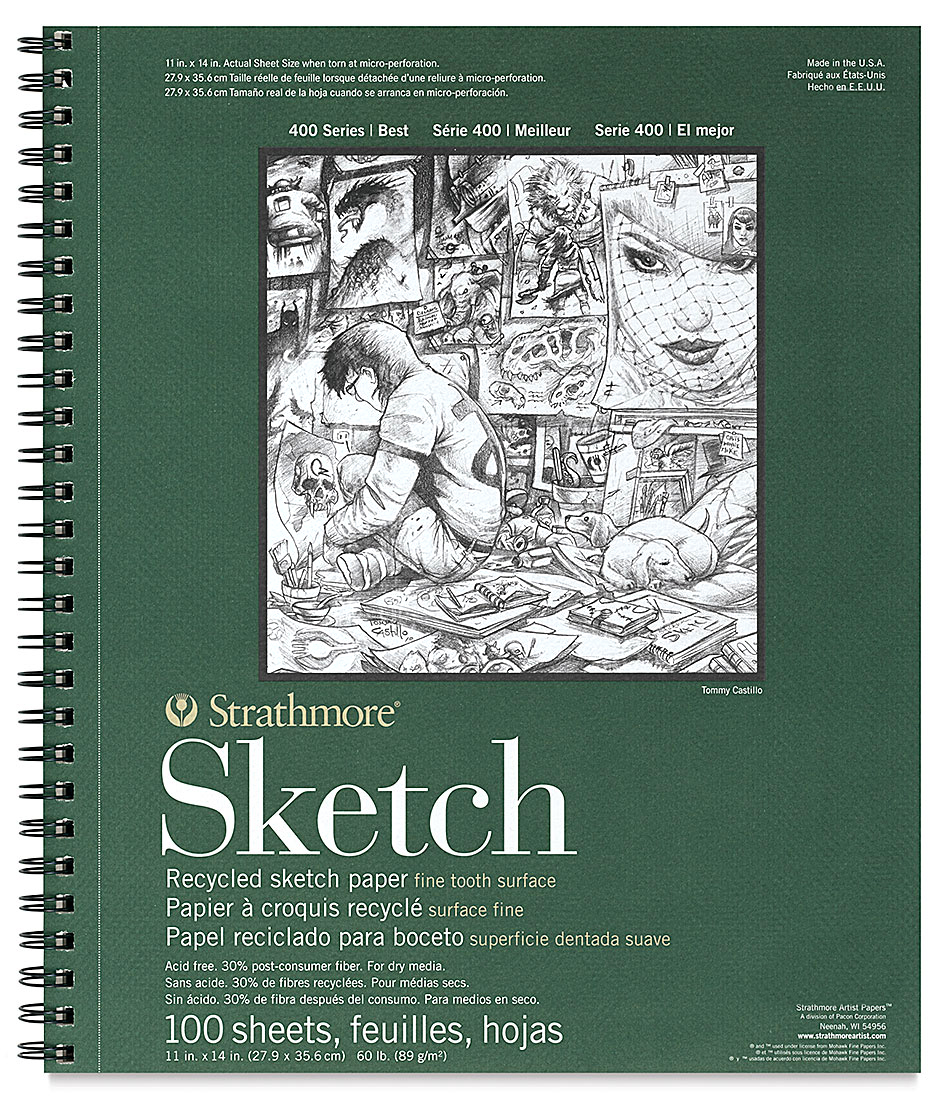
You can purchase a new one, or use something you already own. It is for notes, ideation, and sketches. If you are an art or design major, get an unlined sketchbook with spiral bindings that allow the pages to lie flat. Dimensions do not matter, nor does the type of paper.
Graphite pencil of your choice:
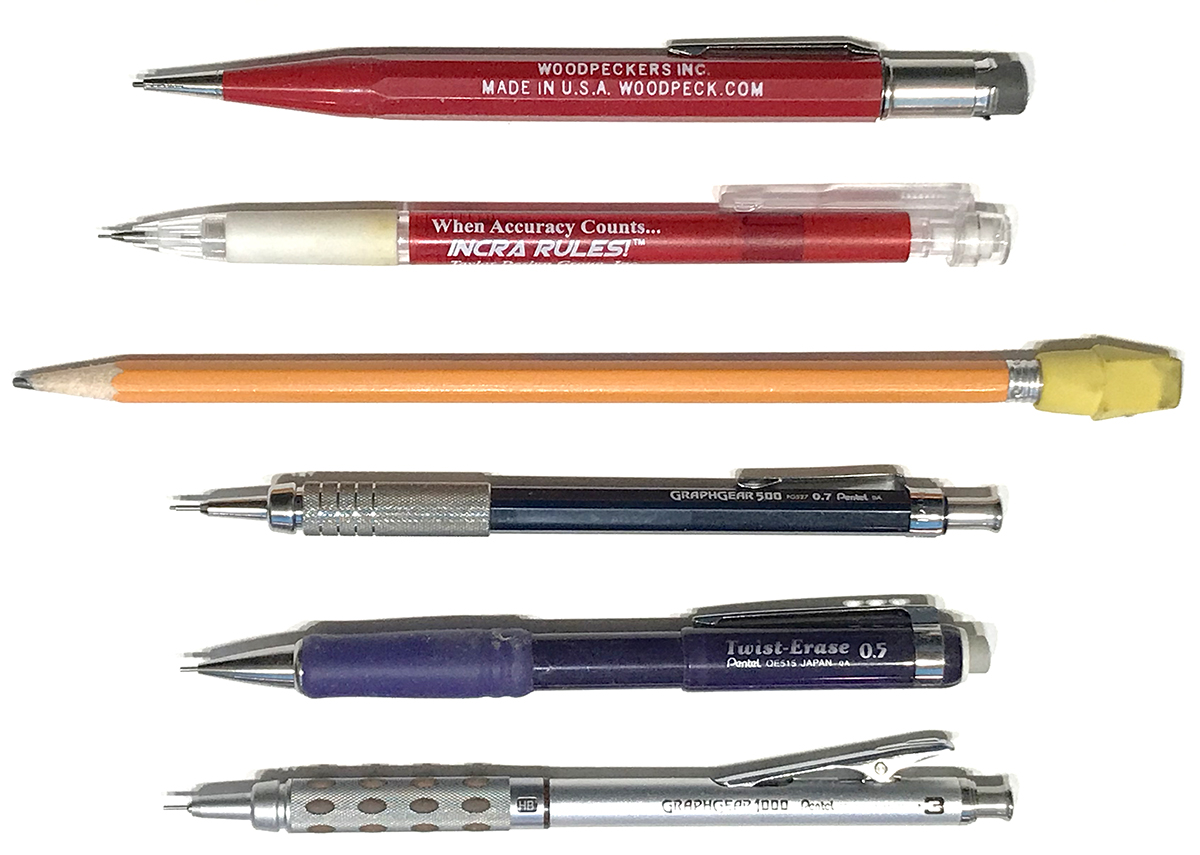
A #2 standard writing pencil is acceptable. Various inexpensive or costly mechanical pencils are also acceptable. Any sharp or sharpenable pencil is fine as long as it is capable of making erasable fine lines.
A clean, quality eraser:
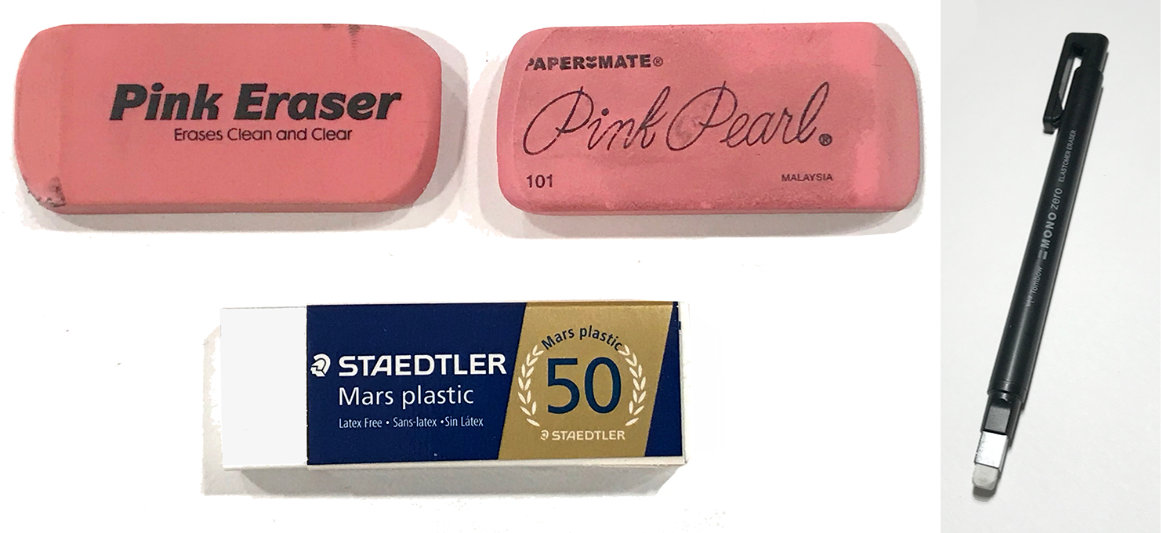
Mars White, Pink Pearl, or generic
At least one high quality metal ruler or straightedge:
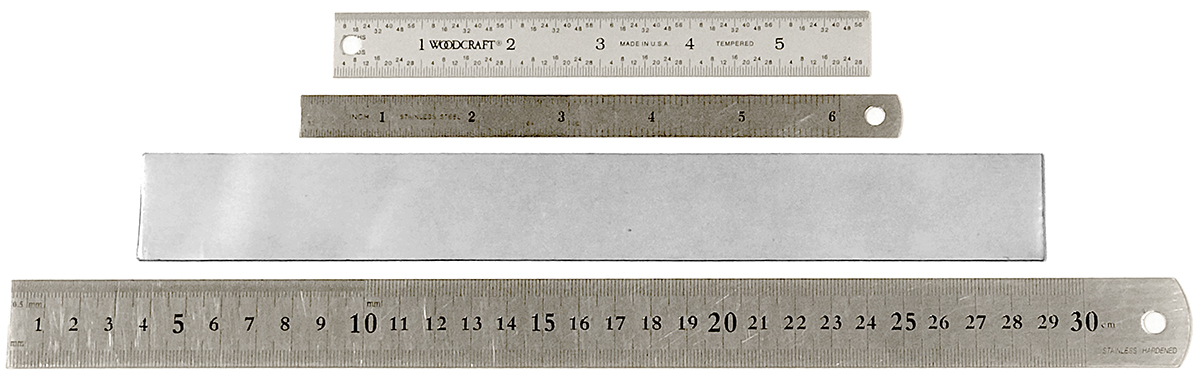
- This item is to be used for drawing straight lines, guiding knife cuts, and aiding in paper folding.
- It does not need to have measurements on it.
- If it is a ruler, it can be metric or imperial.
- Stainless steel or aluminum.
- Short enough not to be difficult to use.
- Long enough to cross a sheet of paper as needed.
- Typically, an 18" ruler with a cork backing is a great starting point.
- A very useful secondary item would be a 4" or 6" narrow straightedge or ruler.
Paper cutting scissors:
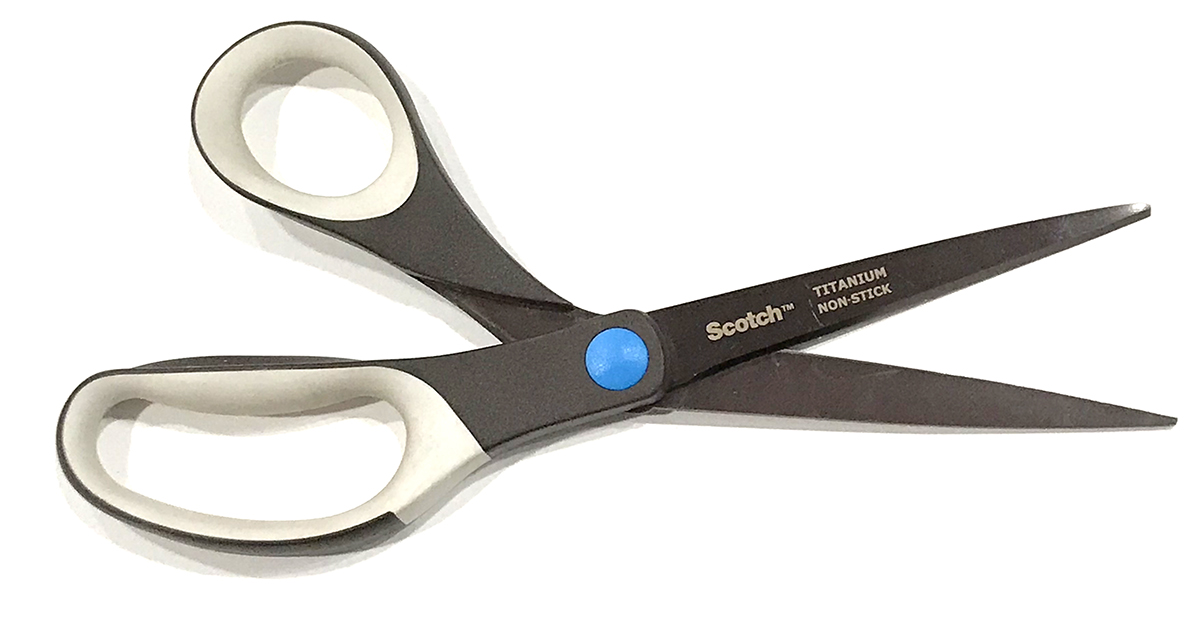
- 4" or 6" scissors are handy, smaller ones are more difficult to use.
- Sharp and in good shape with no blade damage.
- Do not use high quality scissors meant for fabric. They will work beautifully on paper, but the process will dull them for fabric.
Craft or hobby cutting tool with replaceable blades:
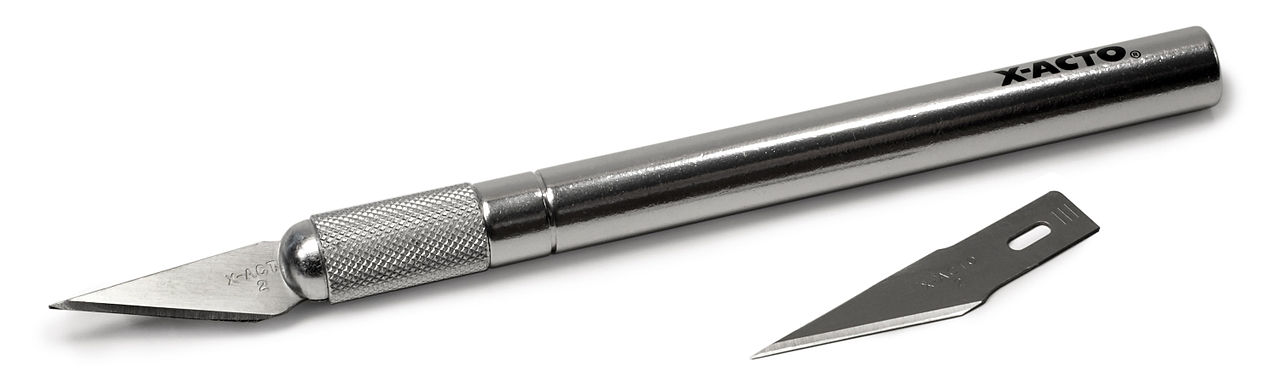

- Can be a brand name such as X-Acto, Fiskars , Olfa, or a generic version.
- The #11 size is ideal if it is the X-Acto type.
- Make sure that blades can be held firmly in place and that they can be easily removed.
- You must have spare blades on hand.
- If it doesn't have a blade cover, make one out of a piece of semi-rigid foam or create a sleeve out of cardboard.
- Retractable snap-off blade tools are an alternative, as are scalpels if you know how to sharpen them.
Clear drying glue:
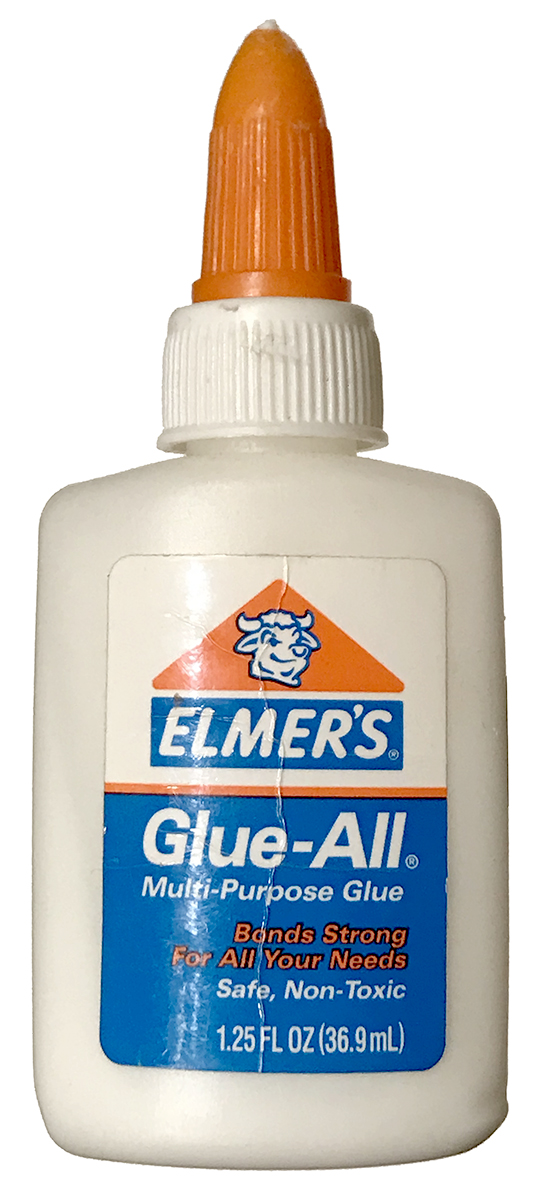
Elmer's Glue-All is tried and true.
Other brands are acceptable as long as they are:
- Clear drying.
- Non-sticky when dry (not tacky glue).
- As strong as Elmer's Glue All.
- Will not de-adhere when humid or re-wetted (no school glue).
- Can be cleaned up with water before it sets.
High quality drawing compass:
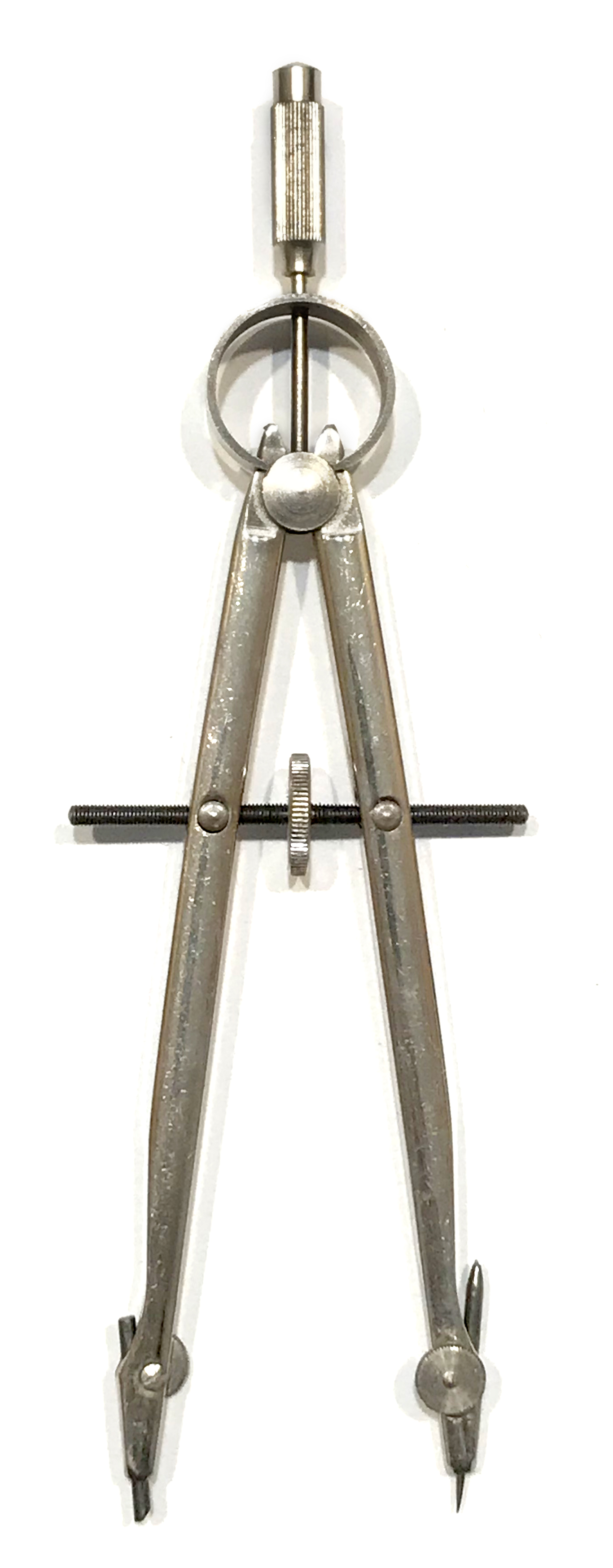
GOOD FEATURES:
- It should be 6" long, and have an adjustor wheel.
- It needs a sharp metal point on one leg and graphite on the other.
- It should be easy to adjust and stable when set.
BAD FEATURES:
- Compasses made from plastic or poorly die-cast metal
- Jointed legs that hinge partway down their length - unless the compass is of the highest quality
- Stamped metal compasses meant for 2nd grade students.
MORE INFORMATION:
- My favorite brand of compass is Vemco. They are long out of business, but their compasses can be found on eBay and Etsy. The "Blue Dot" versios are made from stainless steel. The "Red Dot" and "Yellow Dot" are plated steel and can rust. Look for a clean, well maintained compass with all working parts intact.
- Shorter and longer compasses are nice add-ons as the need arises.
- Acquire a spare lead as necessary (trim one out of a wooden pencil in a pinch)
- In general, very inexpensive compasses perform poorly, and very expensive ones are more reliable.
- Antique compasses are often the best ever made, as long as they are antique enough (1930's, 40's, 50's)
A cutting surface:
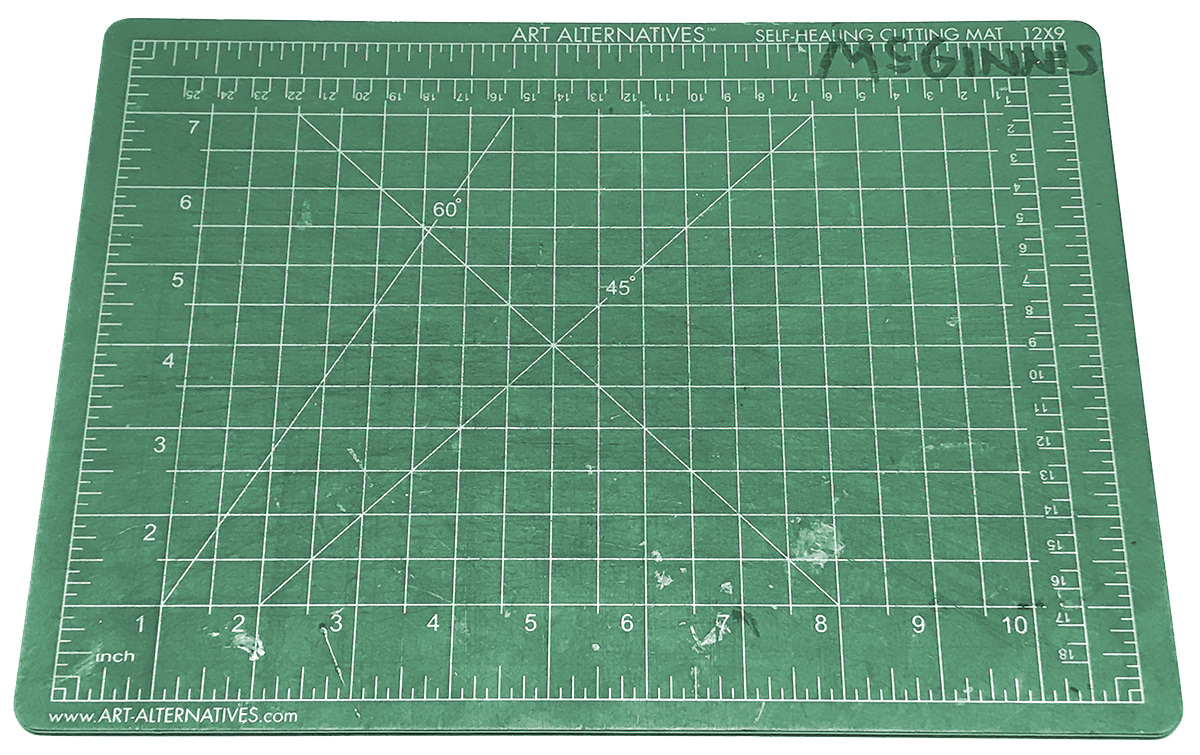
- A self-healing cutting mat.
- Or a clean piece of matboard, illustration board or rigid cardboard.
OPTIONAL ITEMS
Bone folding tool:
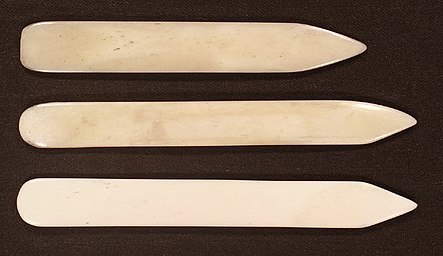
- This is a specialized tool that is used to help crease paper.
- It is hard and usually made from real bone, though hardwood or plastic can substitute.
Paper creasing and embossing board: A simple item that can be made out of scrap matboard that helps crease paper with the bone tool.
Colored pencils: Used for helping you determine where tabs go and how polygons relate to one another when designing complex polyhedra.
